Why Now Is the Best Time to Be Involved in Technology
From the Commodore 64 to an AI taking my order at the drive-thru — a front-row view of the wildest stretch in human history, and why the boat is leaving the dock right now.
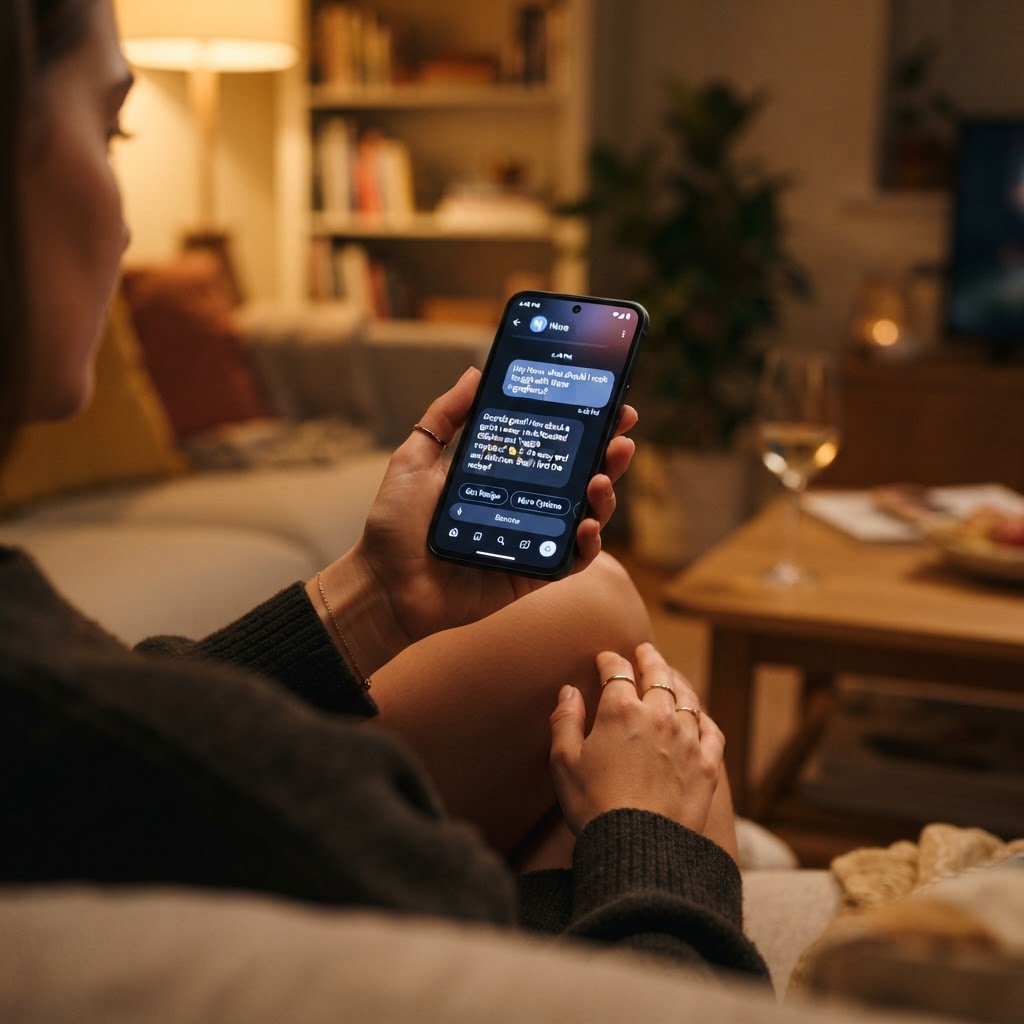
The first tool that thinks alongside you — and it's already in your hand.
Let me ask you something before we get started. Do you think you're involved in technology or not?
A lot of people would say no. "That's not me. I'm not a tech person." But stop and think about it for a second. Technology is all around you, every minute of every day. It's in your car, your kitchen, your wallet, your pocket. And right now — most of your waking hours — you are holding the most powerful tool ever created in the palm of your hand. You're already in it. You're already involved. The only question is whether you're using what you've got, or just carrying it around.
I've had a front-row seat to one of the wildest stretches in human history, and I didn't even realize it while it was happening. It just felt like life. A new gadget here, a faster connection there. But step back and look at the whole arc, and it's staggering. In a single lifetime, we went from machines that could barely hold a few programs to machines that can think, write, design, and reason alongside us.
So when people ask me whether they've "missed the boat" on technology, I tell them the truth: the boat is leaving the dock right now. And it's the biggest one yet.
Let me show you what I mean.
What I've Watched Happen
1982 — The Commodore 64
This was the spark. For a lot of us, it was the first time a real computer lived inside the house instead of a lab or an office. You typed commands, you loaded games off a cassette or floppy, and you learned — sometimes by accident — that you could make the machine do things. That feeling hooked a generation.
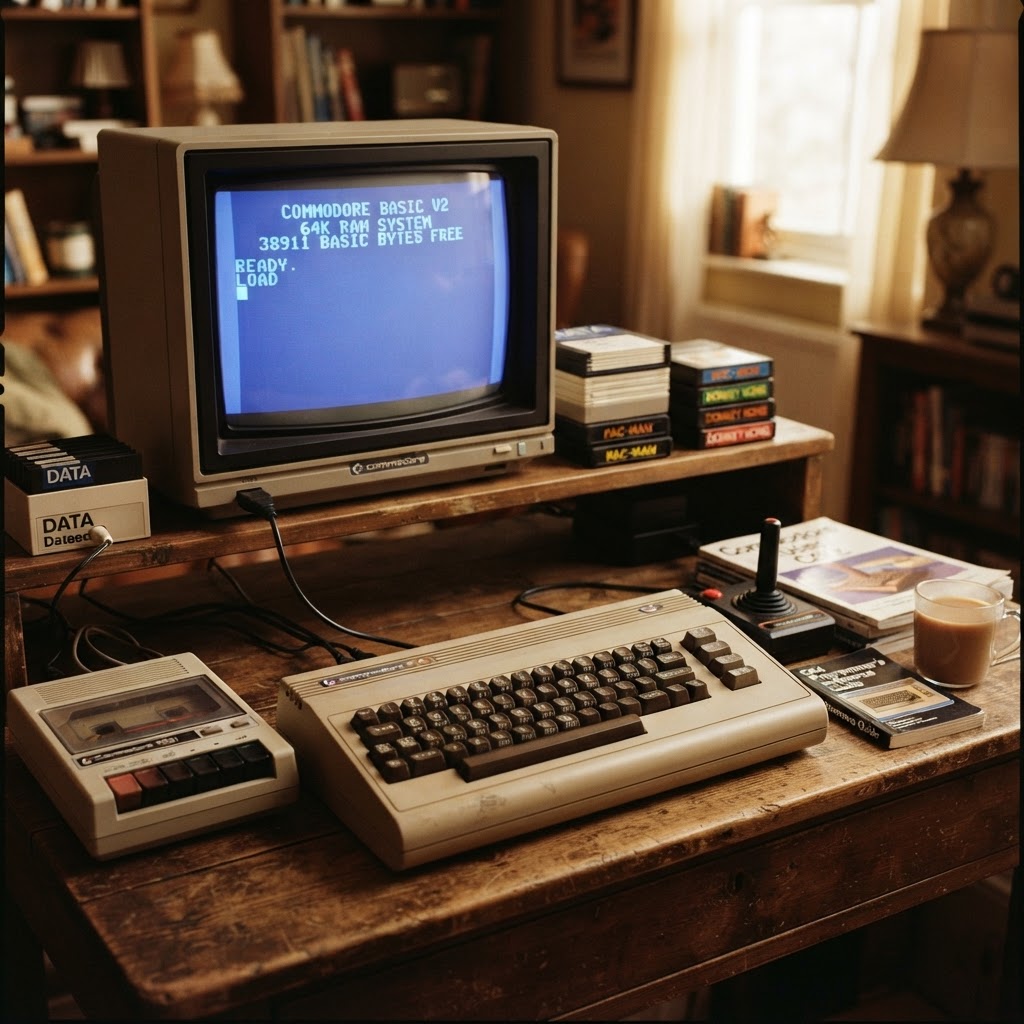 The Commodore 64 — for millions of us, the first real computer in the house.
The 1980s — Video Games and Consoles
For a huge number of us, this was the real on-ramp. Atari, then Nintendo, then PlayStation and Xbox — gaming turned the computer from a tool into something you wanted to spend time with. It drove the hardware forward, too: every leap in graphics, processing, and storage got pushed hard by games. Plenty of tech careers started with a kid who just wanted to beat the next level — and then got curious about how the whole thing worked.
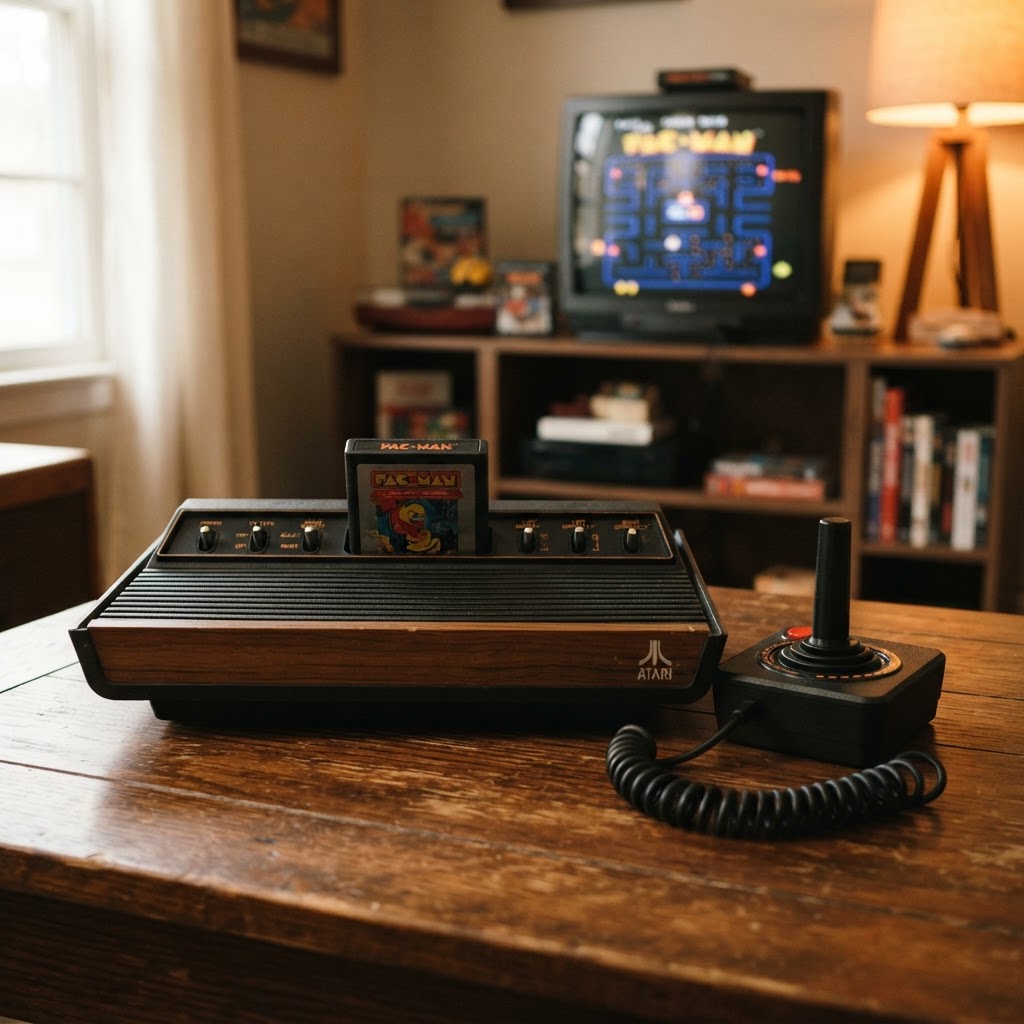 The Atari 2600 — where curiosity turned into obsession for a whole generation.
The 1990s — The PC and Windows
Computing went from hobby to standard. Suddenly there was one on every desk at work and a growing number at home. Windows put a friendly face on it, and "I'll just do it on the computer" became a normal sentence.
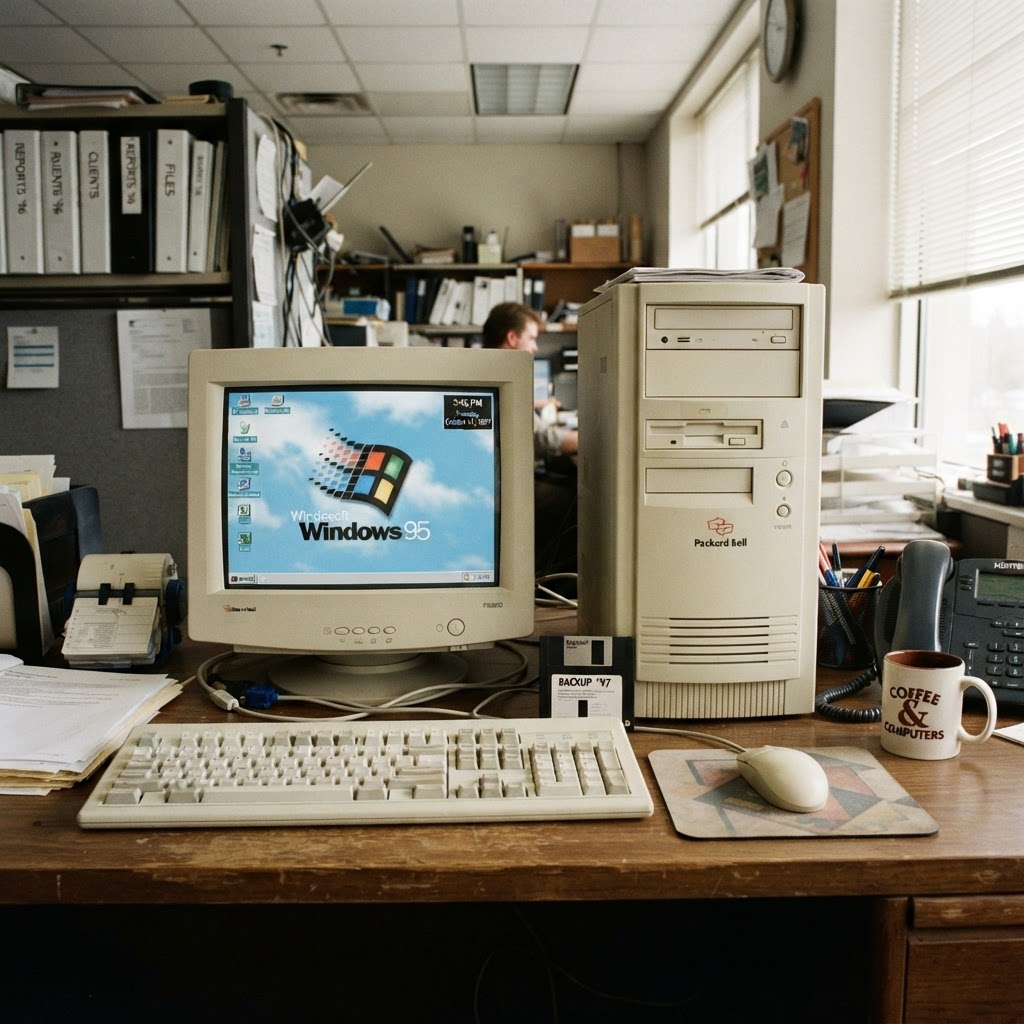 The beige box on every desk — when computing stopped being a hobby and became the standard.
The 1990s — The Internet
This is the one that changed the rules. All those isolated machines got connected, and information stopped being something you had to physically go get. The world got smaller overnight.
Mid-1990s — The Web and Search
The internet was the plumbing — but the World Wide Web and browsers made it usable for regular people, and search engines made the whole thing navigable. Once you could find anything, the internet stopped being a novelty and became a utility.
Late 1990s — Laptops
Computing left the desk. Work, creativity, and connection became portable. You could carry your whole digital life in a bag.
Late 1990s — Mobile Phones
The leash came off. For the first time, you were reachable anywhere — and that one shift quietly rewired how we live and do business.
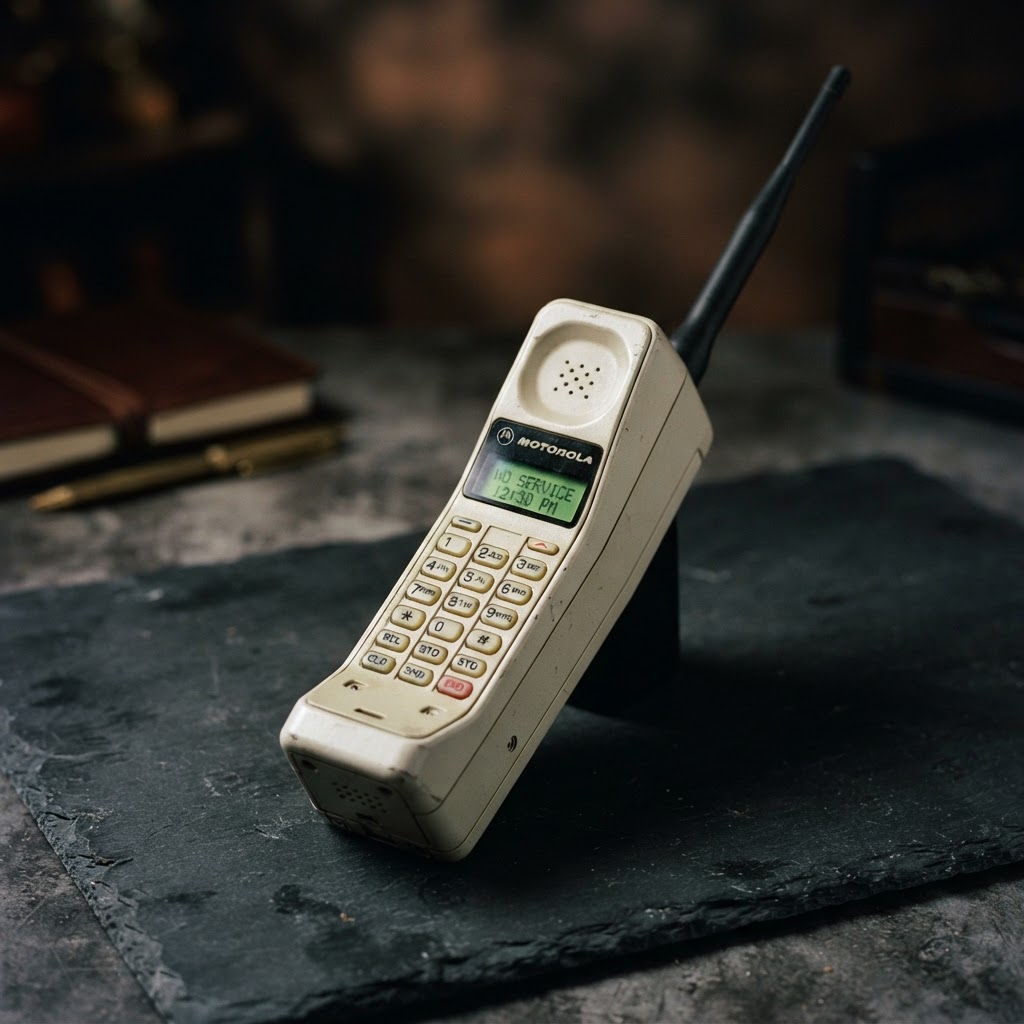 The original brick phone. Heavy, expensive, and the first time the leash ever came off.
The 2000s — E-Commerce and the Cloud
Amazon proved you could buy anything from your couch, and then the cloud became the invisible backbone holding everything up. Most people never think about it, but nearly everything we touch now runs on it.
The 2000s — Social Media
Facebook, YouTube, and the rest connected billions of people directly to each other and to information, for better and for worse. It changed how we communicate, sell, and pay attention.
2007 — Smartphones
Take everything above — the computer, the internet, the camera, the phone, the map, the store — and put it in your pocket. A supercomputer that fits in your hand and goes everywhere you go. We stopped going to technology. It came with us.
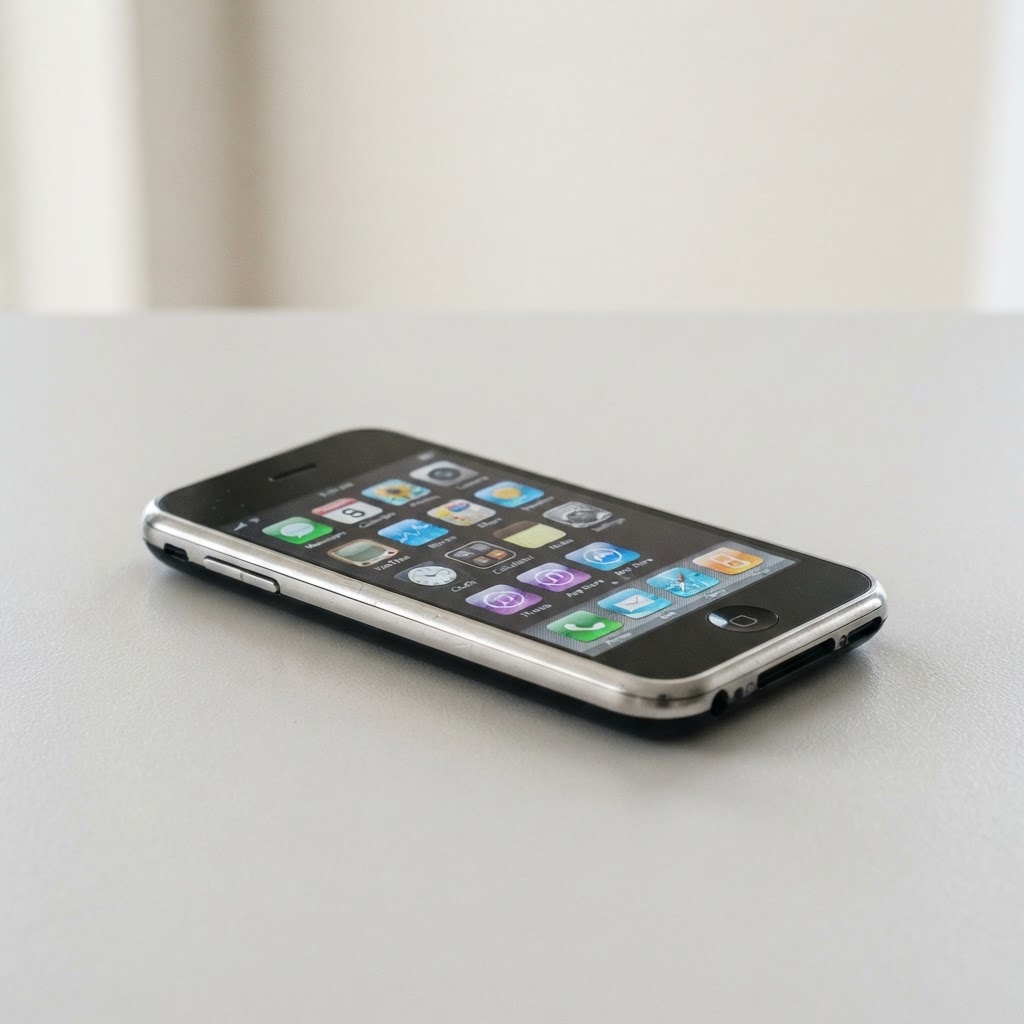 The supercomputer that fit in your pocket — and changed everything about how we live.
Now — AI
And now this. Which deserves its own section, because it isn't just the next item on the list. It's a different kind of thing entirely.
My Technology Journey
I was an outside kid. Growing up, I lived for sports — I'd rather be out running around than sitting still anywhere. Then one day at my cousin's house, I saw it: a video game with two lines on the screen knocking a ball back and forth like a tennis match. If you're old enough, you remember that game. I was instantly intrigued. Something about it grabbed me.
Later, another cousin got an Atari 2600, and that was it for me — I had to have one. There was just so much fun being had: Pac-Man, Donkey Kong, the whole generation of games that defined the 1980s. I was hooked on the magic of it.
Back in high school, we learned to type on typewriters — that's how long ago we're talking.
 Where I learned to type — long before a keyboard was ever attached to a screen.
Then came my first computer, bought with the help of my mother, my grandmother, and my aunt all pitching in. That machine is where it really started for me, because that's where I taught myself to program in BASIC. From there I enrolled at the Richmond Technical Center for a two-year programming studies program, and that sealed it. I was hooked for good. I finally knew exactly what I wanted to do with my life.
So I set out to major in computer science, with a detour through ECPI — where, honestly, I learned as much from my peers as I did from the school itself. And here's a story I'm sure those peers still remember: the very first time I ever worked on the inside of a desktop computer, I was terrified. I didn't want to break it and not be able to put it back together. To make it better, this was during my hip-hop days when I wore rings on every single finger — so there I am, fumbling around inside a computer covered in jewelry while the guys howled laughing, and I probably could've killed myself acting as a human electricity conductor. Lol. Live and learn.
From there I landed my first programming job, and that led me to Circuit City Stores, Inc., where I got to work alongside some incredible people over the years. Every wave I wrote about above, I lived. I bought my first car online back in 1999. The phones, the internet, the computers, shopping online — and eventually building a passion for helping other people save money shopping online too.
And that brings us to today, and the AI revolution.
Like all of us, I dabbled with AI and kept half an eye on it. I heard all the talk about how it was going to take over everything, watched the social media clips of AI and robots "coming for us." It felt like the future — distant, hypothetical. Then in April 2026, I pulled into a famous Richmond chicken spot, and the drive-thru wasn't a person anymore. It was AI taking my order. It slapped me in the face like a brick. Whoa. AI isn't coming. It's already here, and in a big way. In that moment I knew I needed to stop watching and actually learn this — put real effort into it.
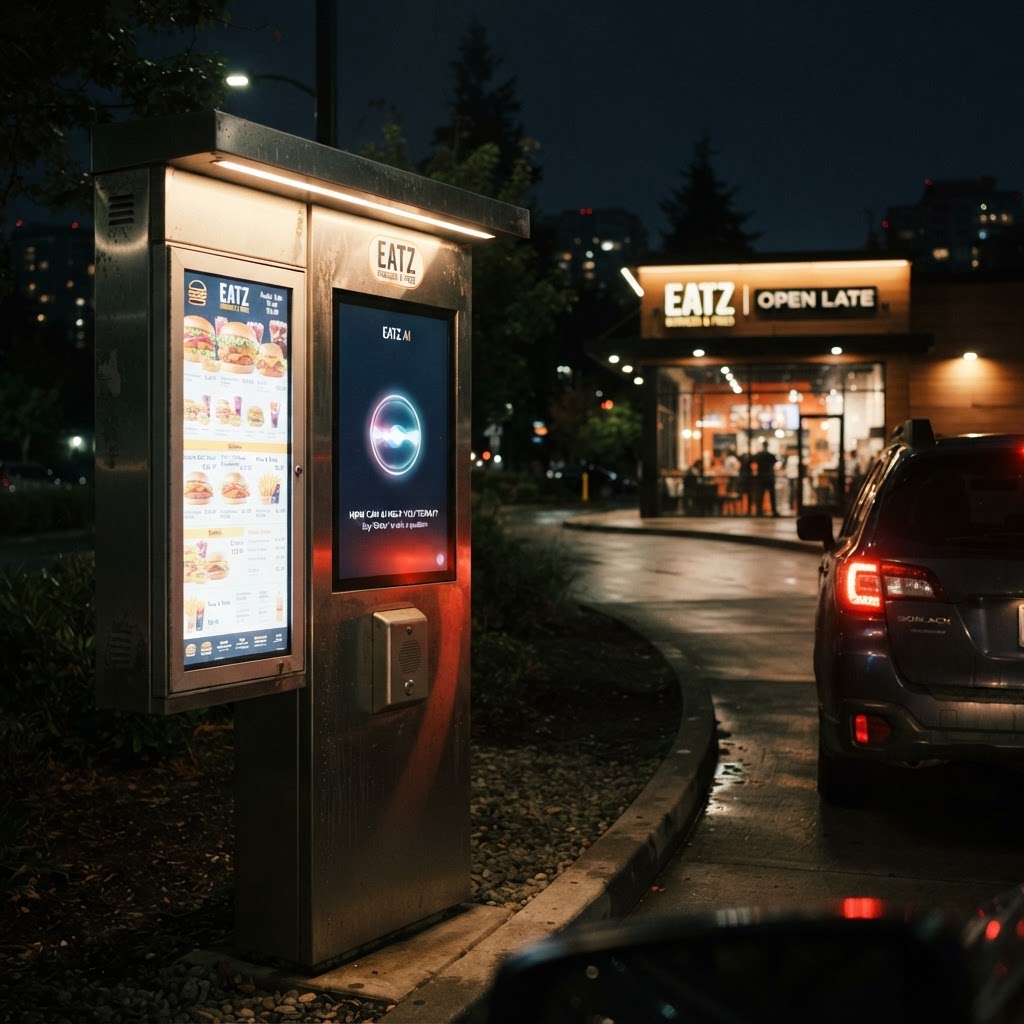 The moment it got real for me: a drive-thru order taken by AI, not a person.
So let me ask you the same thing I asked myself: is AI working for you in any way in your life right now? Because it's already all around us, and it's time to embrace it. Google's search engine, then voice assistants like Alexa and Siri — those were the early phases, and most of us used them without thinking twice. If you're not having actual conversations with AI yet, you are missing out. Download ChatGPT to your phone, or go online right now and strike up a conversation with it. Ask it for a step-by-step plan for anything you want to accomplish, and in a few minutes it'll hand you one. Just review what it gives you and verify it fits your situation. Nothing's perfect — but here's the secret: you don't need perfection. You just need to start.
Why the AI Gold Rush Is the Most Important Wave of All
Here's the thing I keep coming back to. Every single technology I listed above was a tool. A faster way to do something a human still had to figure out. The Commodore needed you to program it. The internet needed you to know what to search for. The smartphone is dazzling, but it just sits there until you tell it what to do.
AI is the first one that does part of the thinking.
The first tool that thinks alongside you — and it's already in your hand.
That's the whole game. Every previous wave amplified our reach — how fast we could move information, how far we could connect, how much we could carry. AI amplifies our minds. It writes, codes, designs, analyzes, and reasons. For the first time, the bottleneck isn't "can the machine do it" — it's "do you know what to ask for."
And here's why the timing is so wild: AI didn't arrive alone. It landed on top of everything else. It has the internet for distribution, the cloud for power, smartphones for reach, and decades of digital information to learn from. Every previous wave had to build its own road before anyone could drive on it. AI inherited the entire highway system on day one. That's why it's spreading faster than anything before it.
People call it a gold rush, and the comparison fits — but with one massive difference. In 1849, you needed to physically get to California, stake a claim, and dig. The barrier to entry was brutal. Today, the gold is everywhere, the tools are nearly free, and a single person with an idea can build what used to take a funded team of engineers a year. The pick and shovel are sitting on your desk right now.
The big technologies of the past — electricity, the engine, the internet — weren't valuable because of what they were. They were valuable because of what people built on top of them. AI is that kind of foundational technology. We're not at the end of this story. We're at the very first chapter, before most of the important things have even been built.
2026 and Beyond
Here's what's changed that nobody's saying out loud. Being a "techie" used to feel like joining some secret club — you pictured a hoodie, a dark room, and a wall of code most people would never understand. That person was a mythical creature. Not anymore.
In 2026, ordinary people are adopting AI and running with it. Stay-at-home moms are building apps, launching products, making real money, and creating actual freedom online — from the kitchen table. The barrier to entry that everyone used to hide behind? It's gone. "I don't know how" is no longer a viable excuse, because the moment you don't know how to do something, you just ask. AI will explain it, walk you through it, and if you want, build you an entire course on the spot.
Think about that. You are walking around with the single greatest tool ever created, in your hand, many times a day. It's time you stopped treating it like a search bar and started treating it like your new best friend. Because that's what it is. You are never alone in an idea again. Whatever you want to accomplish — there's a partner ready the second you ask.
So be that person. Be the guy or the girl everyone thinks is losing their mind because they're having a full-blown conversation with their phone. Let them wonder. You're the one building. Everything you need is at your fingertips — you just have to reach out and use it.
So, Why Now?
Because never before has the distance between "I have an idea" and "I built it" been this short. The tools are mature. The infrastructure is everywhere. And the most powerful technology of our lifetimes is brand new — which means almost everything still hasn't been done.
I watched a computer go from a curiosity in the living room to a partner that can think alongside me. If you're standing on the sidelines wondering whether it's too late, let me settle it: it isn't. The people who'll define the next decade are the ones jumping in today — not because they have it all figured out, but because they're willing to learn out loud while the rest of the world is still deciding whether it's real.
It's real. And it's the best time there's ever been to be involved in technology.