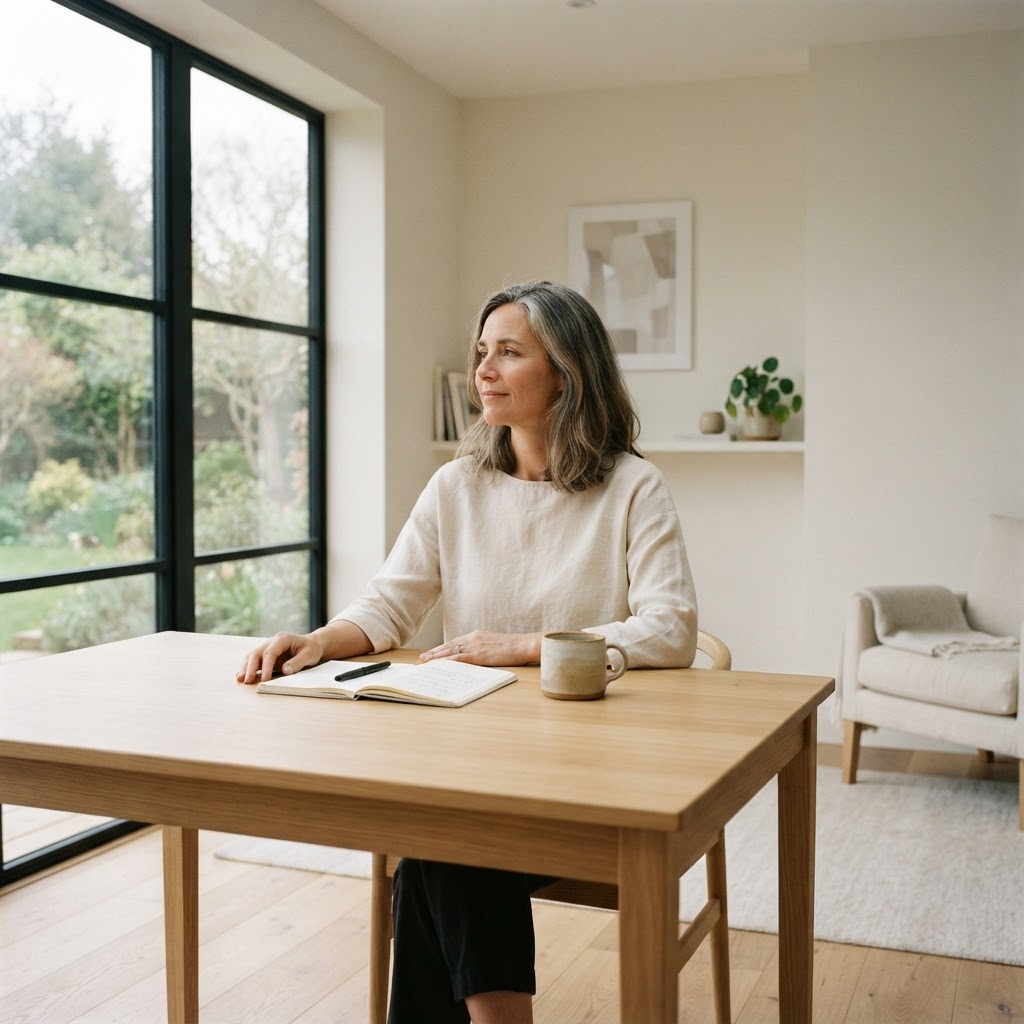
Beyond the Getaway: Recreate Vacation Calm in Daily Life
Come back from vacation feeling renewed. Two days later, the calm is gone. Here's how to build work-life balance and lasting peace into your daily life.
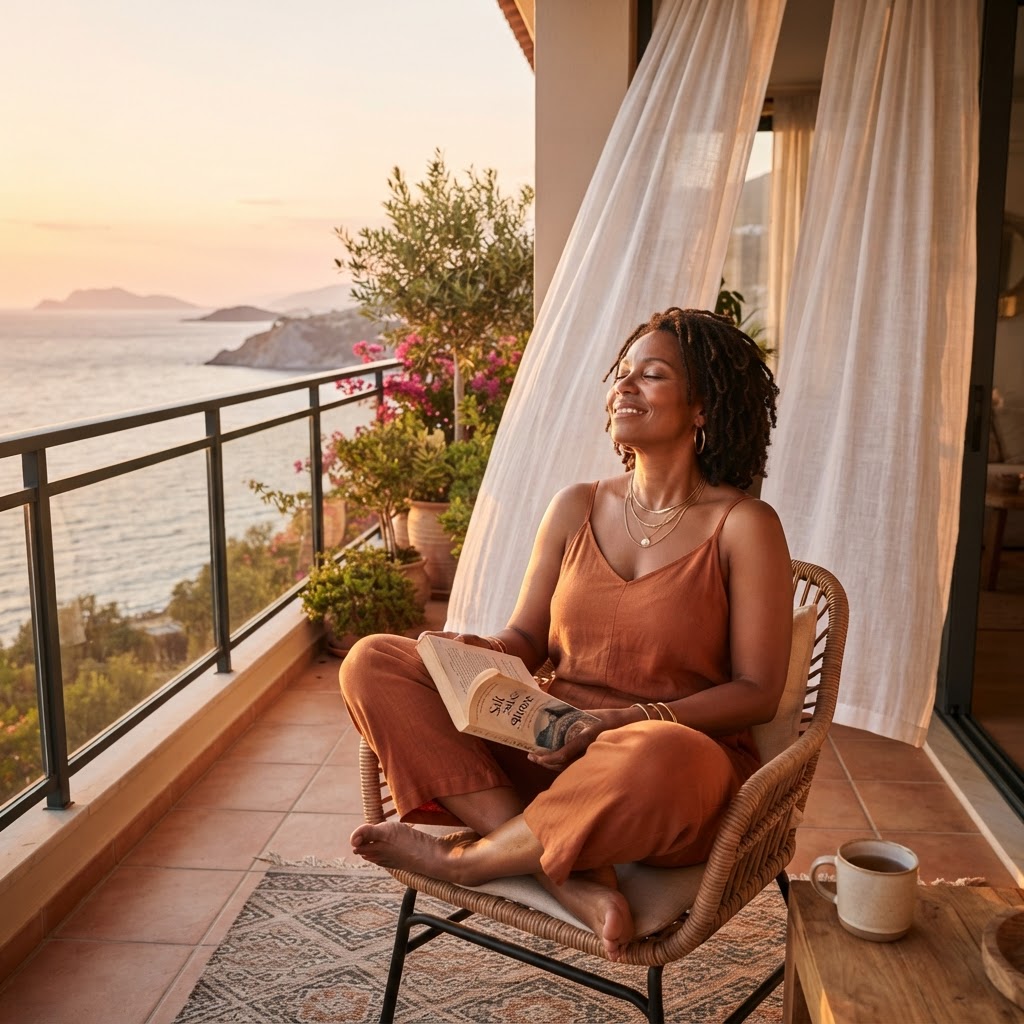
Vacation calm isn't about the destination — it's about what you stop doing.
The Vacation Hangover Nobody Talks About
Vacation calm isn't about the destination — it's about what you stop doing.
You know that feeling. You're sitting on a beach, or walking through a city you've never visited, and your shoulders drop for the first time in months. Your phone is face down somewhere. You're not checking email. You're not mentally reorganizing your calendar. You're just there.
Then you fly home. By Wednesday, that calm feels like something you imagined. The inbox is overflowing, the calendar is packed, and you're right back where you started — except now you're even more frustrated because you know how good peace feels.
I've lived this cycle more times than I can count. Over the years, I've been fortunate to travel to some incredible places — places that let you unplug for days at a time. And every single time, the same thought hit me on the flight home: Why can't every week feel a little more like this?
Here's the truth I eventually figured out. The calm you feel on vacation isn't about the destination. It's about what you stop doing. You stop reaching for your phone whenever there is a quiet moment. You stop saying yes to things that drain you. You stop carrying everyone else's urgency like it's your own. The vacation didn't give you peace — it gave you permission to drop the stuff that was stealing it.
That realization changed how I think about work-life balance. Because if the calm comes from what I stop doing, I don't need a plane ticket to feel it. I need boundaries.
What Vacation Calm Really Is (And Isn't)
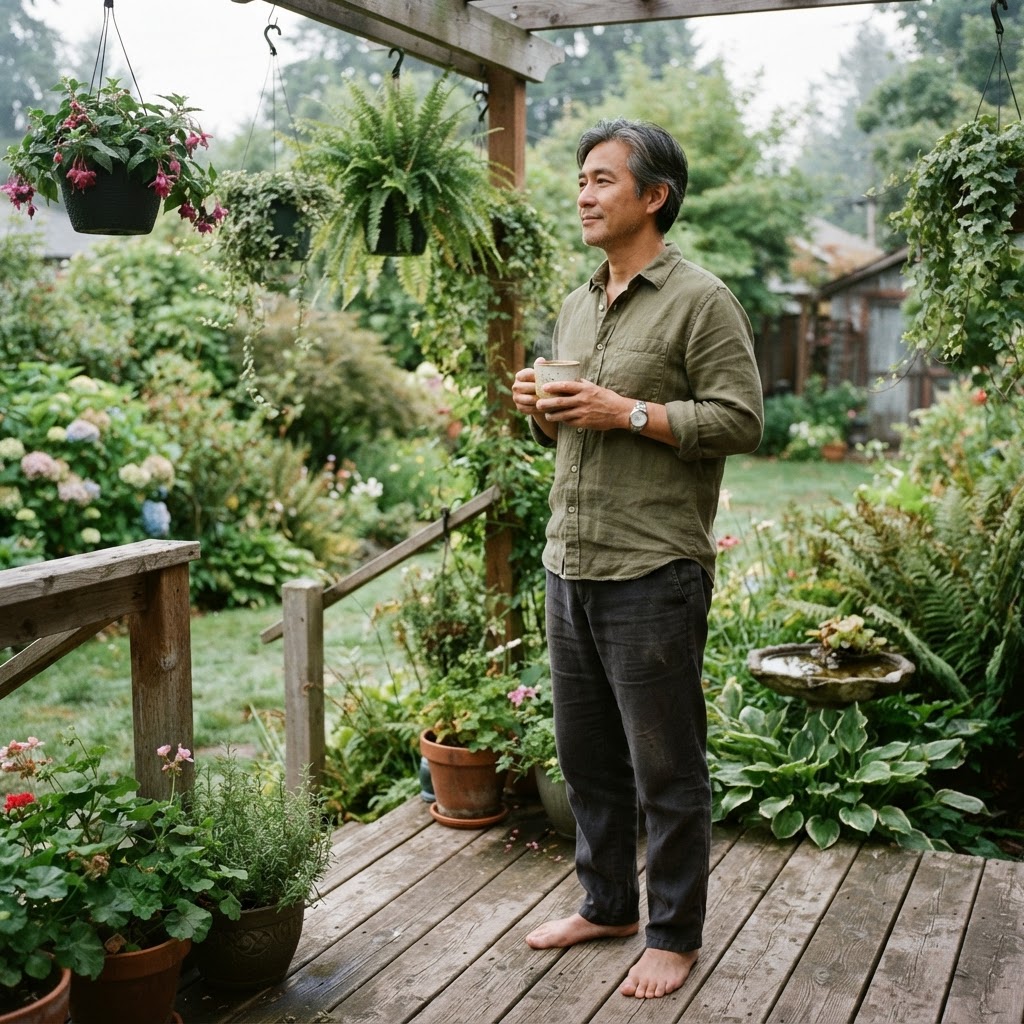 Real vacation calm comes from sensory shifts — not decor.
Let's be honest. Most advice about "bringing vacation home" tells you to buy a scented candle and rearrange your living room. That's fine — I love a good candle — but that's surface-level. Real vacation calm comes from three things that have nothing to do with decor.
1. Sensory shifts. On vacation, your senses get a reset. New sounds, new smells, new light. Your brain stops running on autopilot. You can recreate that at home by changing what your eyes see and your ears hear during your first 30 minutes of the day. Not your phone screen. Actual morning light. Actual quiet. Even 10 minutes outside before the day starts is a manageable place to begin.
2. Permission to disconnect. On vacation, you give yourself full permission to ignore the noise. At home, you feel guilty about it. That guilt is the difference. When I'm on a trip with my family, the phone goes on Do Not Disturb and nobody suffers. The world keeps spinning. But at home? I convince myself that every notification is urgent. It's almost never urgent.
3. Time ownership. On vacation, you decide how the hours flow. At home, other people's schedules dictate yours. That's the real stress. Not the workload — the lack of control over your own time. If your work includes on-call duties or your evenings include caregiving, that control has limits. Start by protecting one short window rather than expecting an interruption-free evening.
The Lifestyle Design Moves That Actually Work
So how do you build this into a life that has real responsibilities? Mortgages, kids, aging parents, a career you've spent decades building? You can't just pack a bag and live on permanent vacation. But you can design your days so they don't feel like a grind you're desperate to escape — and if you're ready to go deeper, start with this guide to building a life you don't need to escape.
Here's what's worked for me — and what I've seen work for other professionals in their 40s and beyond.
1. Create a Daily "Departure Ritual"
Every vacation starts with a transition — the drive to the airport, the moment you shut the laptop lid. Build that transition into your daily life. When the workday ends, have a ritual that signals to your brain: we're done now. Close the laptop. Walk out of the room. Change your clothes. Go for a 10-minute walk. The specific action matters less than the consistency. The ritual draws a line between work time and personal time, even when both happen under the same roof.
2. Designate a "No-Go" Zone for Technology
I've spent my entire career in technology. I love it. I was the kid who saw Pong for the first time at my cousin's house and was instantly hooked. I taught myself to program in BASIC on a computer my mother, grandmother, and aunt all chipped in to buy. Technology has been central to everything I've built. But some of the most meaningful moments in my life have happened when I put the screen down and just existed with the people I love.
Pick one space in your home where phones don't go. The dinner table. The bedroom. The back porch. Whatever it is, make it sacred. On vacation, you naturally create these tech-free zones because you're out of your routine. At home, you have to be intentional about it. If a full digital detox feels like too much, start with one room and one hour.
3. Build "Micro-Vacations" Into Your Week
 Micro-vacations: 30 minutes of novelty and presence, no passport required.
This one is my favorite. A micro-vacation is a 30- to 60-minute window where you completely shift your environment and mental state. It could be a walk through a park you've never visited, trying a new coffee shop, sitting by water, or taking a different route home with the windows down. The point is novelty and presence: a deliberate change of scene, not another task to finish on a Tuesday afternoon.
I learned this from travel itself. Some of my best family memories aren't from the big trips — they're from the small, unplanned moments. Being present. Noticing things. Laughing together. You can manufacture that feeling without a passport.
4. Guard Your Energy Like You Guard Your Money
We protect our money like a Brink's truck but let anyone and anything trample our time and energy. Think about that for a second. You wouldn't hand the keys to your bank account to every person who asked. But you hand over your energy — your most limited daily resource — to notifications, drama, unnecessary stress, and people who drain you, without thinking twice.
On vacation, you naturally become stingy with your energy. You say no to things that don't serve you. You skip the news. You avoid the complainer at the hotel bar. Bring that same selectivity home. Identify what gives you energy and do more of it. Identify what drains you and create distance. It really is that simple — not easy, but simple. If you struggle with this, read up on setting healthy boundaries after 40 — it's a skill, not a personality trait.
This is not a promise that a short break fixes burnout or makes every task easier. A 2022 review of micro-break studies found small benefits for vigor and fatigue, but no significant improvement in overall performance. A brief pause is a useful experiment, not a substitute for addressing an unsustainable workload. If you're wondering whether you need rest or something bigger, this guide on rest vs. burnout vs. reinvention can help you figure out which season you're in.
5. Redefine What "Productive" Means
Here's something that took me way too long to learn. Rest is not the opposite of productivity. Rest is what makes sustained productivity possible. On vacation, you don't feel guilty about resting because the whole point is to recharge. But at home, we treat rest as something we have to earn — and even then, we feel bad about it.
It's not too late to change this pattern. The life that gives you energy instead of draining it is still within reach. But it starts with giving yourself permission to rest before you're running on empty.
The Work-Life Balance Mindset Shift
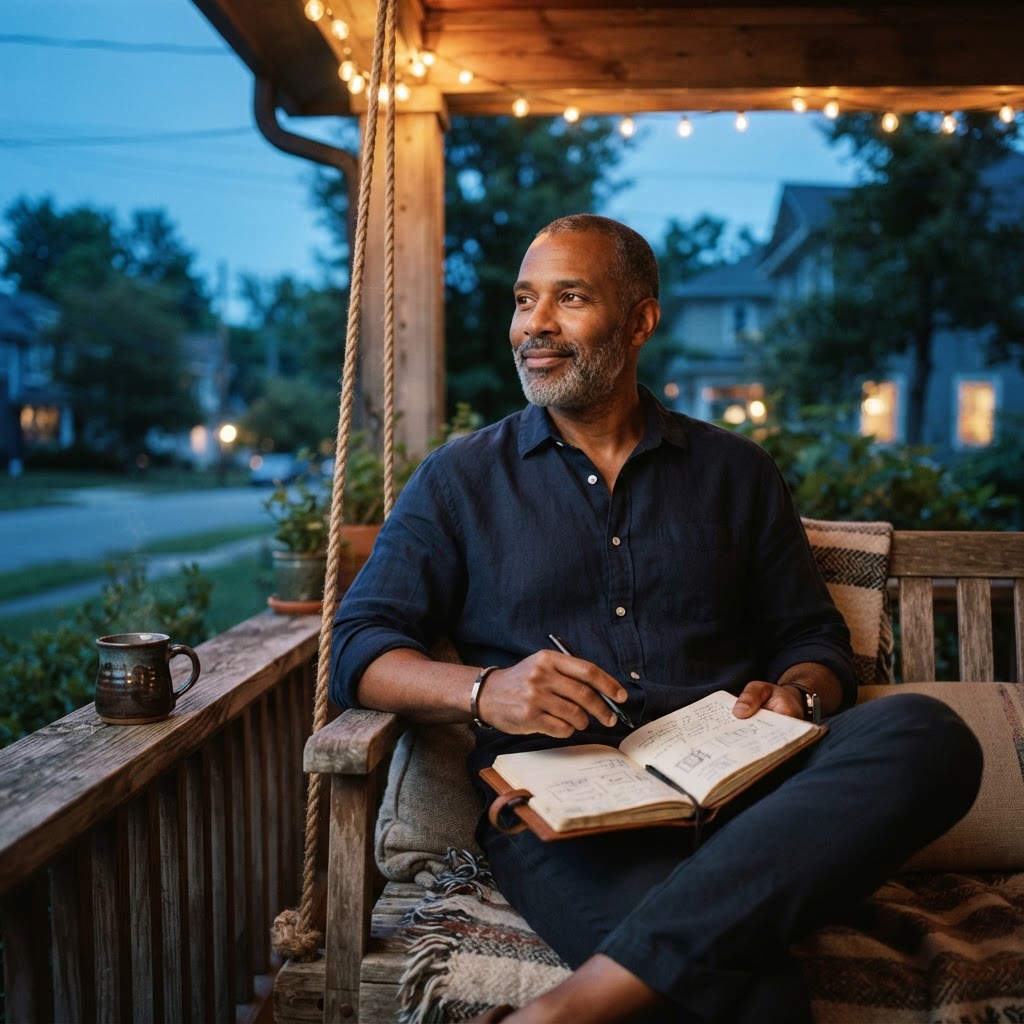 The question is whether you're willing to design your daily life so peace isn't something you travel to find.
Here's what I want you to take away from this. Vacation calm isn't a place you visit twice a year. It's a set of choices you can make every single day. The boundaries, the sensory shifts, the intentional disconnection, the energy management — none of those require a travel budget.
I think about this a lot through the lens of what happened to me in 2019. I received a kidney transplant after years of battling polycystic kidney disease. That experience gave me a renewed appreciation for every single day — not just the vacation days, but the regular Tuesdays and Thursdays that most people sleepwalk through. Life is precious. You don't get a refund on the hours you spend stressed about things that don't matter.
The question isn't whether you can afford another vacation. The question is whether you're willing to design your daily life so that peace isn't something you have to travel to find.
Your Next Step
You don't need to wait for your next trip to feel that calm. Start with one micro-vacation this week — 30 minutes of novelty, no phone, full presence. Then build from there. If you want a structured plan to redesign your days around the things that actually matter, join the 30-day reset and start building a life you don't need to escape. And if this resonated, subscribe to the newsletter — I share practical lifestyle-design strategies every week, no fluff, just real tools for real life after 40.